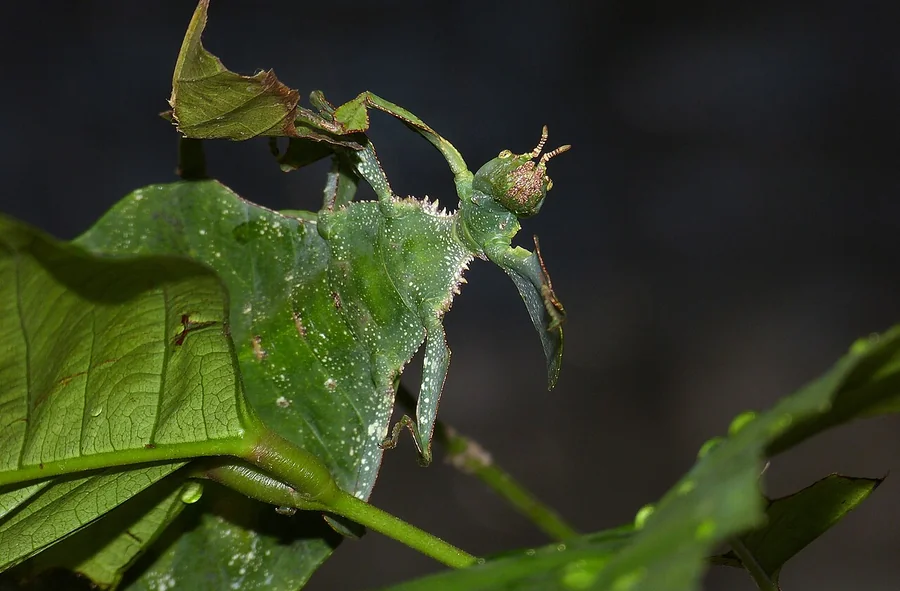
Leaf Insect — A Leaf with Legs
Leaf insects · family Phylliidae
A flattened body and leaf-like legs make an insect resemble part of a plant.
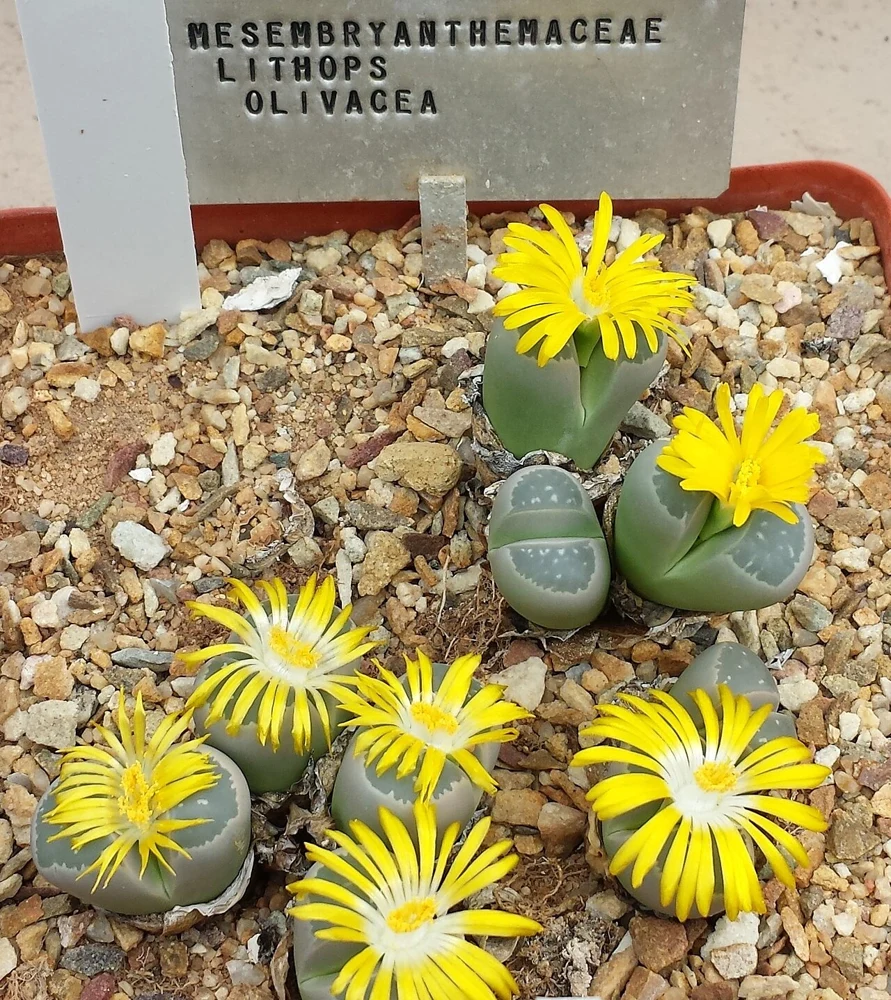
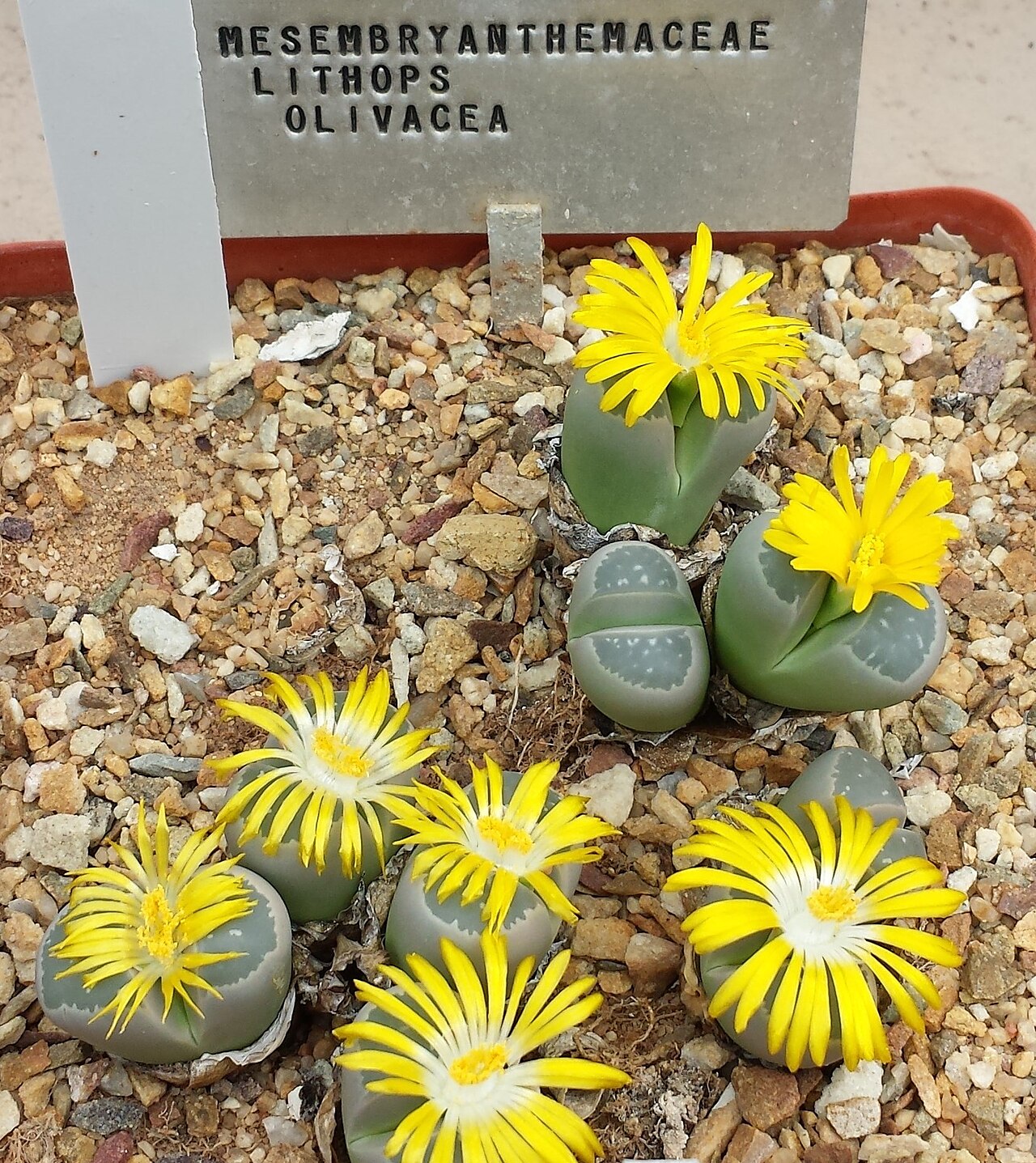
Rounded leaf pairs resemble the pebbles around them.
Cover the yellow flowers with your hand. Compare the grey-green leaf tops with the gravel. Then uncover the flowers and notice how readily they reveal the plants.
Abu Shawka
Original file & attribution · CC BY-SA 3.0
This locally stored image is a Wikimedia Commons rendition (resized or rendered from the source file). The full original is linked from the source record. Gallery previews may be resized or converted to WebP; animated previews show the first frame.
Download imageRounded leaf pairs resemble the pebbles around them.
Cover the yellow flowers with your hand. Compare the grey-green leaf tops with the gravel. Then uncover the flowers and notice how readily they reveal the plants.
Muted colour, small size and rounded form reduce the difference between a plant and its stony background. A herbivore may overlook a leaf pair or mistake it for a pebble. This combines background matching with masquerade.
A flattened body and leaf-like legs make an insect resemble part of a plant.
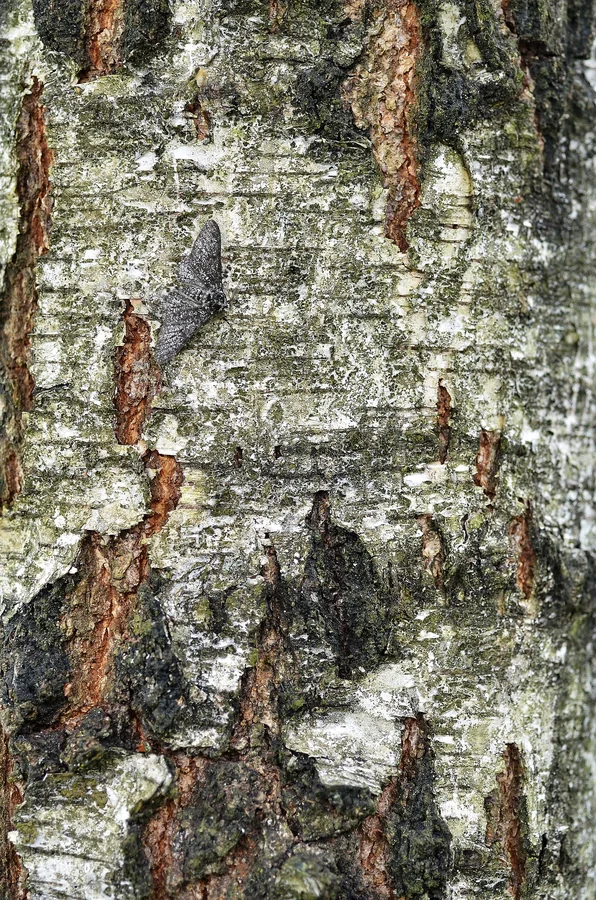
Speckled wings repeat the tones and texture of tree bark.
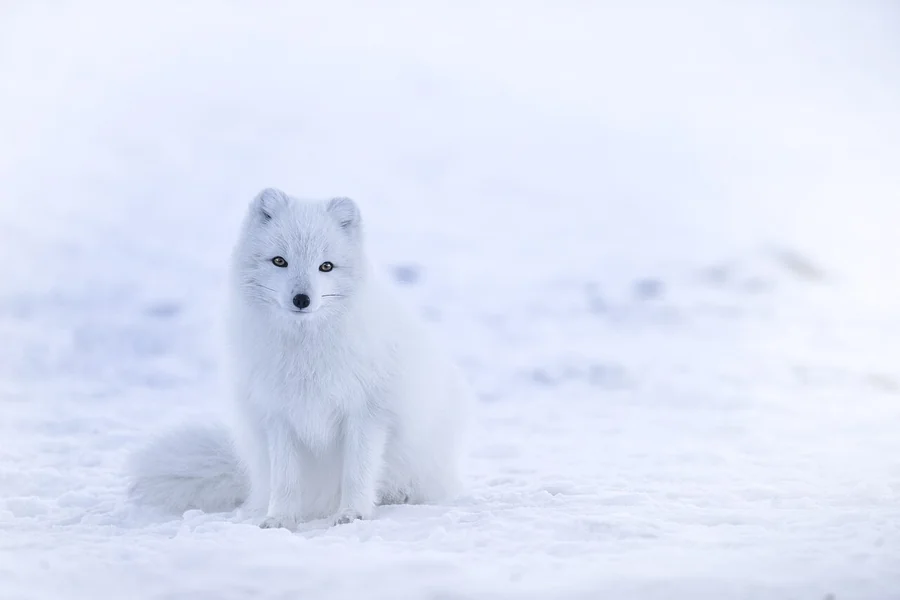
A winter coat makes a white fox difficult to separate from snow.