Transmission holography — Optical Interactions
Gary Fisher · Optical Interactions
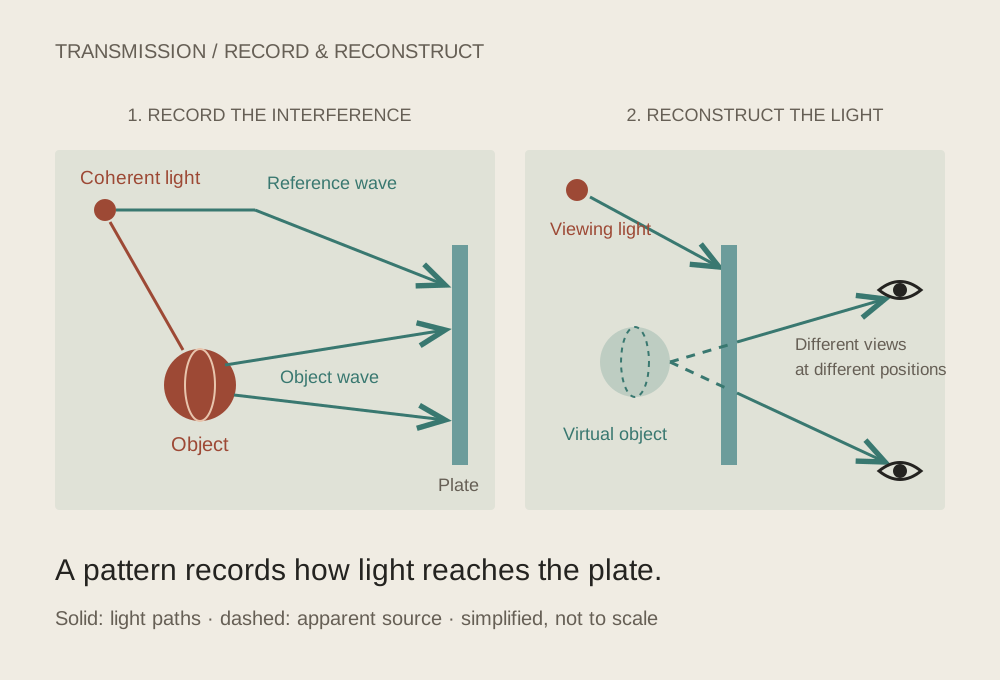
A flat glass plate reconstructs light from a still life. Move sideways and the objects reveal a different view, as though you were looking through a window.
Read the archive’s account of the ghost shows ↗
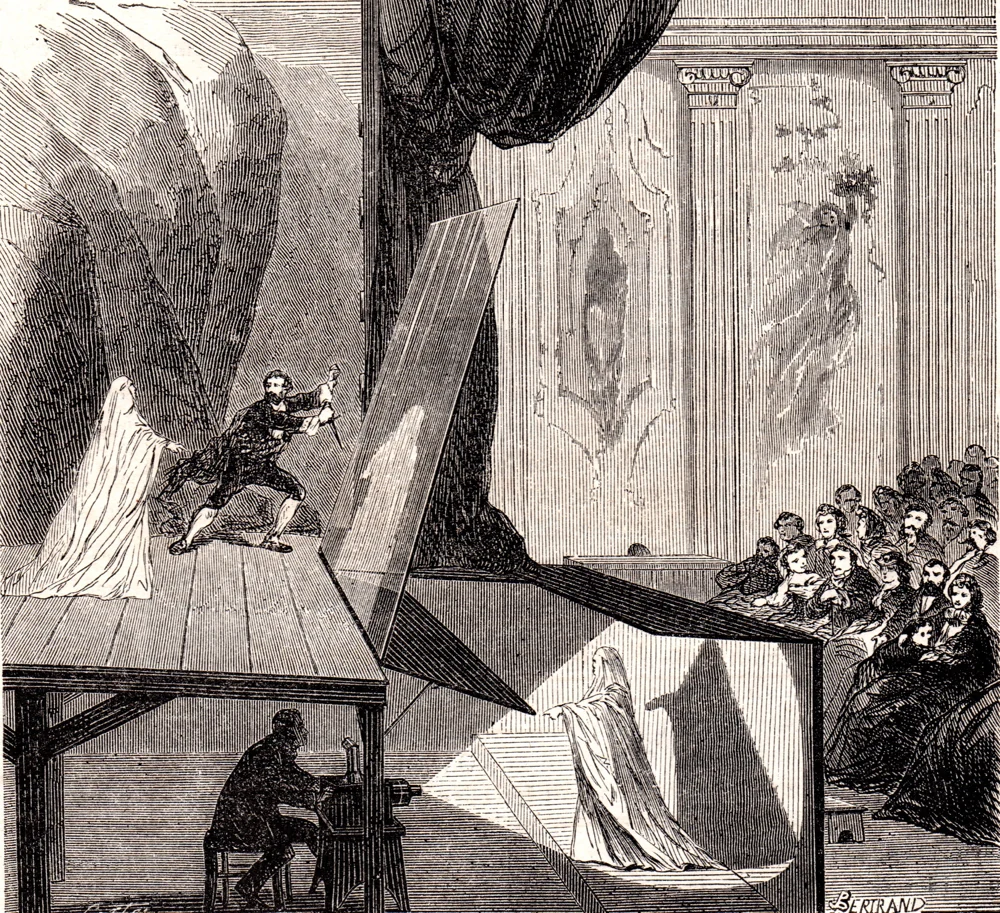
A ghost shares the stage with a living actor, then fades away. Victorian ghost shows turned hidden performers and sheets of glass into public spectacles of apparent presence.
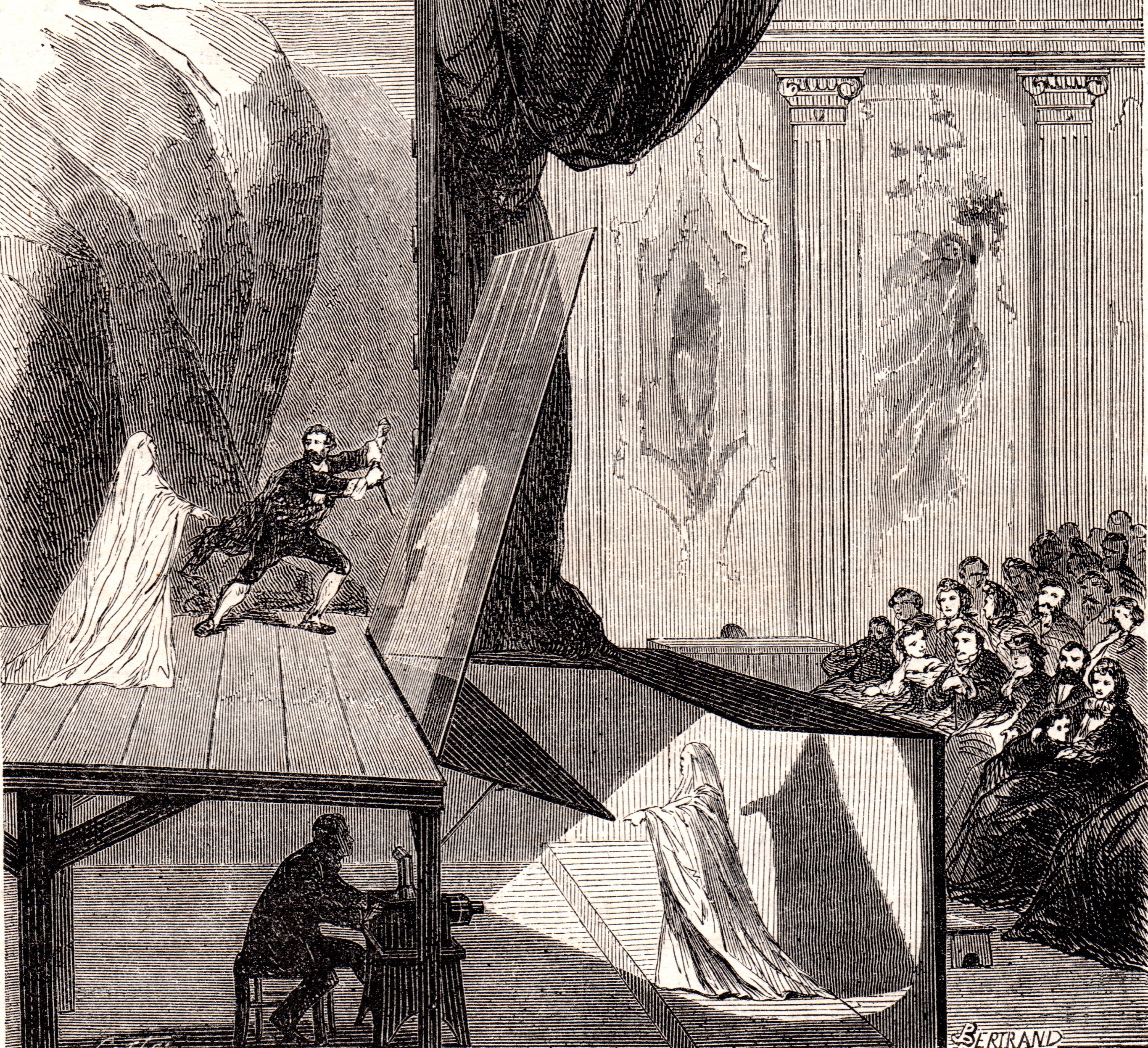
Compare the public stage with the hidden illuminated performer in the 1865 engraving. Trace a path from that figure to the angled glass and then to the audience. The actors’ positions must make the reflection appear to meet the visible scene.
Bertrand (no first name given)
Original file & attribution · Public domain
Original image downloaded from Wikimedia Commons; the downloaded file is unchanged. Gallery previews may be resized or converted to WebP; animated previews show the first frame.
Download imageA ghost shares the stage with a living actor, then fades away. Victorian ghost shows turned hidden performers and sheets of glass into public spectacles of apparent presence.
Compare the public stage with the hidden illuminated performer in the 1865 engraving. Trace a path from that figure to the angled glass and then to the audience. The actors’ positions must make the reflection appear to meet the visible scene.
An audience sees the stage through an angled pane of glass and simultaneously receives a reflection of a hidden illuminated figure. Changing that figure’s lighting controls the apparition’s visibility. Position and rehearsal align the reflected presence with the visible actors. The illusion relies on optics and staging, rather than a physical figure occupying the ghost’s apparent position.
A flat glass plate reconstructs light from a still life. Move sideways and the objects reveal a different view, as though you were looking through a window.
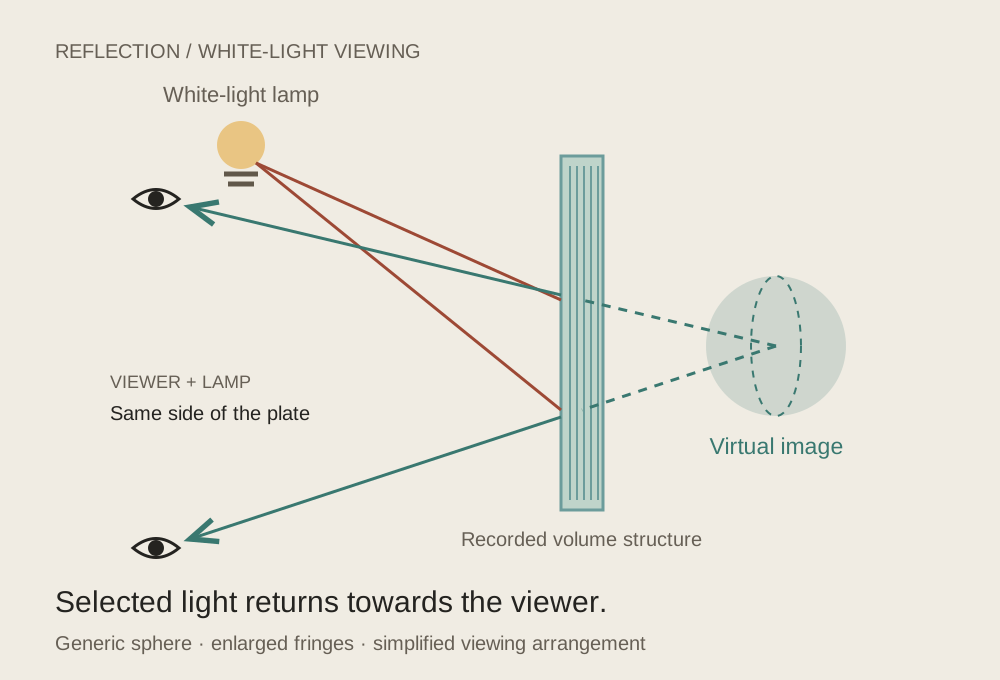
A lamp illuminates a flat plate and an image appears to occupy depth. The light returns towards the viewer from a recorded structure inside the holographic material.
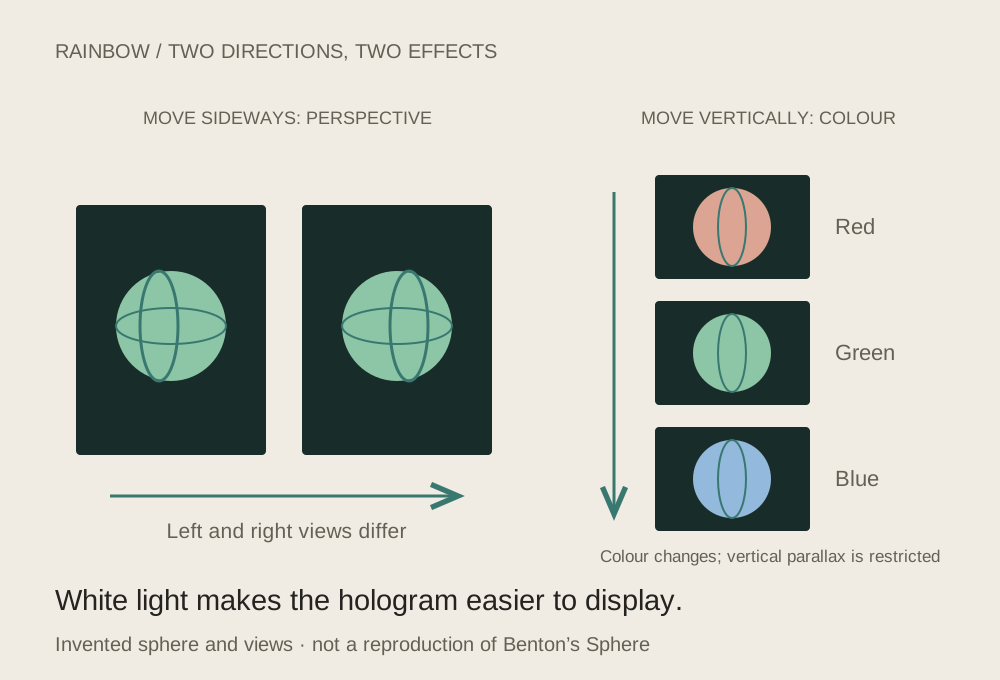
A hologram becomes visible in ordinary white light. Move sideways to explore depth; move vertically and its colour changes through the spectrum.