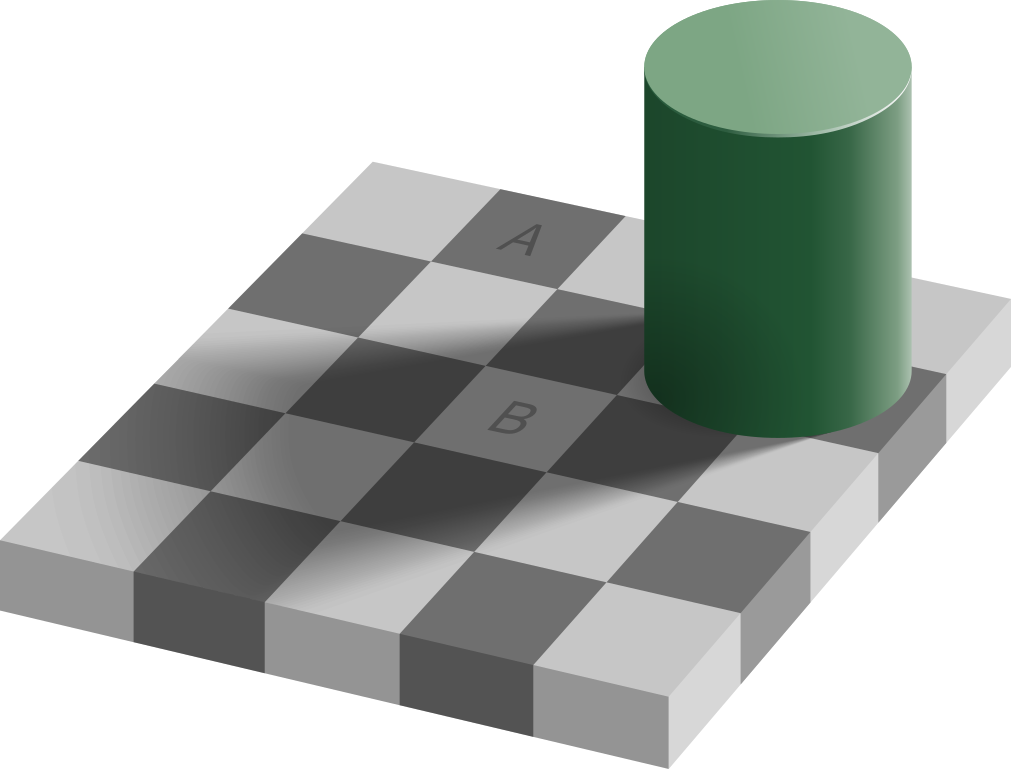

Light & contrast / 1959–1970
Craik–O’Brien–Cornsweet Illusion
Equal fields look different because of a narrow gradient at their boundary.
TRY THIS
Cover the central transition and compare the flat areas on either side.
THE IMAGE IN THIS ARCHIVE
Lord Belbury
Original file & attribution · CC BY-SA 4.0
Original image downloaded from Wikimedia Commons; the downloaded file is unchanged. Gallery previews may be resized or converted to WebP; animated previews show the first frame.
Download imageFrequently asked questions
What is Craik–O’Brien–Cornsweet Illusion?
Equal fields look different because of a narrow gradient at their boundary.
What should I look for in Craik–O’Brien–Cornsweet Illusion?
Cover the central transition and compare the flat areas on either side.
What explains Craik–O’Brien–Cornsweet Illusion?
A small brightness transition at the edge influences the apparent tone of larger adjoining regions. The flat parts can have equal luminance despite their different appearance.
Another way to see it
Explore this category
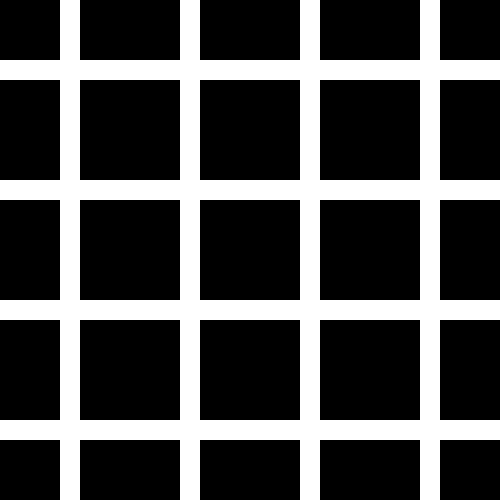
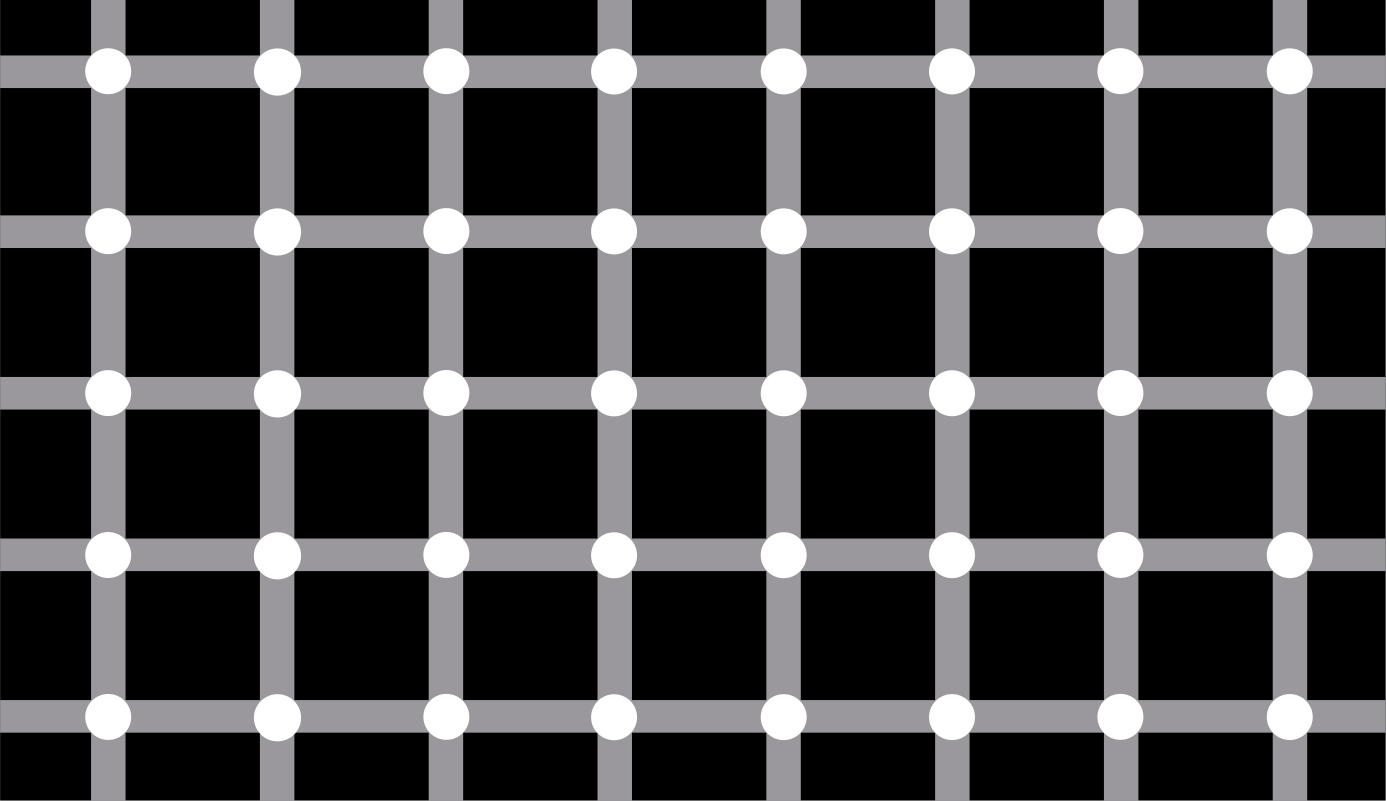
Scintillating grid
James R. Bergen; later Bernd & Elke Lingelbach, Michael Schrauf & E. R. Wist
Black dots flicker across a grid of white dots.