
Light & contrast / 19th century
Simultaneous contrast
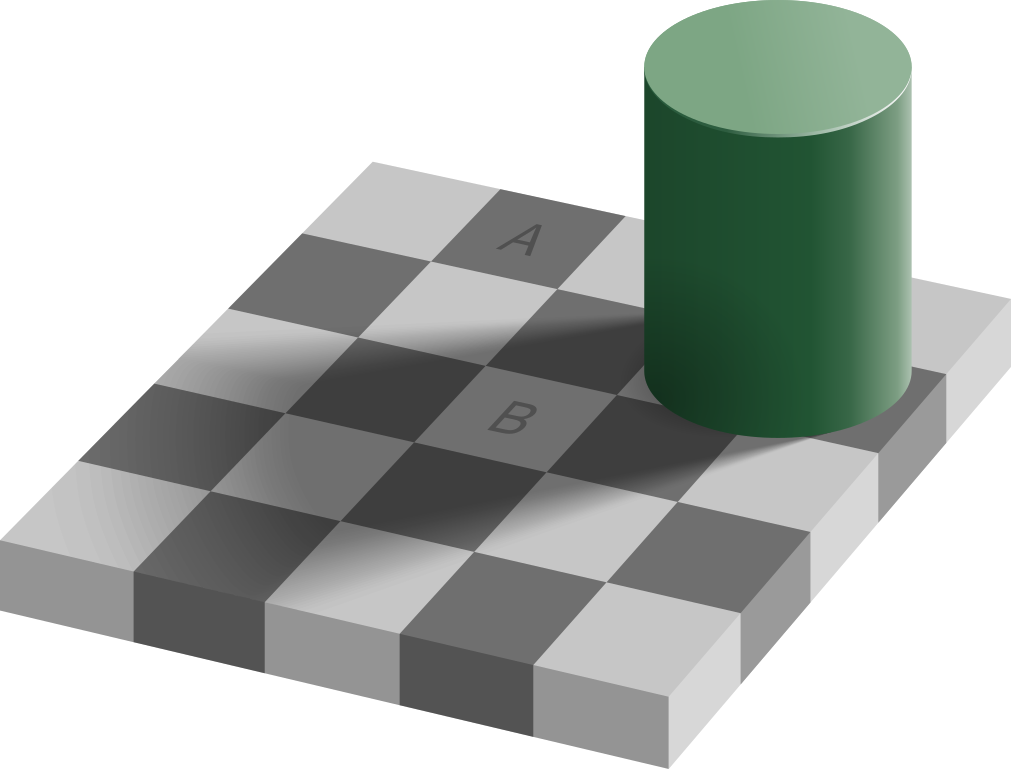
One gray looks light; the same gray looks dark.
TRY THIS
Compare the small gray patches against their light and dark backgrounds. Isolate them from the surrounding areas to check their shade.
FOLLOW THE SOURCES
History, evidence & image credit
THE IMAGE IN THIS ARCHIVE
This hand-written SVG version by Qef Original bitmap version by English Wikipedia user Xanzzibar Based on a similar bitmap image by K. P. Miyapuram
Original file & attribution · Public domain
Original image downloaded from Wikimedia Commons; the downloaded file is unchanged. Gallery previews may be resized or converted to WebP; animated previews show the first frame.
Download imageFrequently asked questions
What is Simultaneous contrast?
One gray looks light; the same gray looks dark.
What should I look for in Simultaneous contrast?
Compare the small gray patches against their light and dark backgrounds. Isolate them from the surrounding areas to check their shade.
What explains Simultaneous contrast?
Brightness judgments depend on context. A gray region on a dark field can appear lighter than the same gray on a light field. Spatial contrast processing helps explain the effect, but full lightness perception also depends on interpreted surfaces and illumination.
Another way to see it
Explore this category
Scintillating grid
James R. Bergen; later Bernd & Elke Lingelbach, Michael Schrauf & E. R. Wist
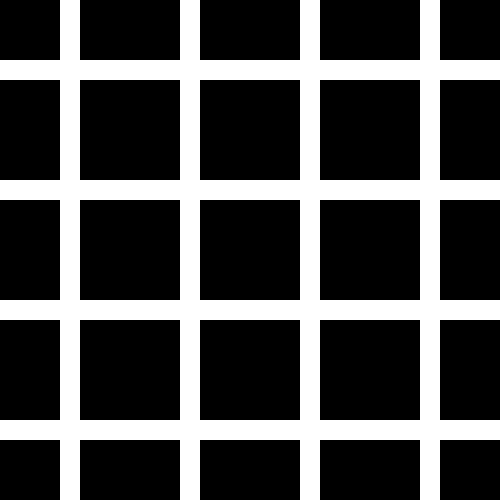
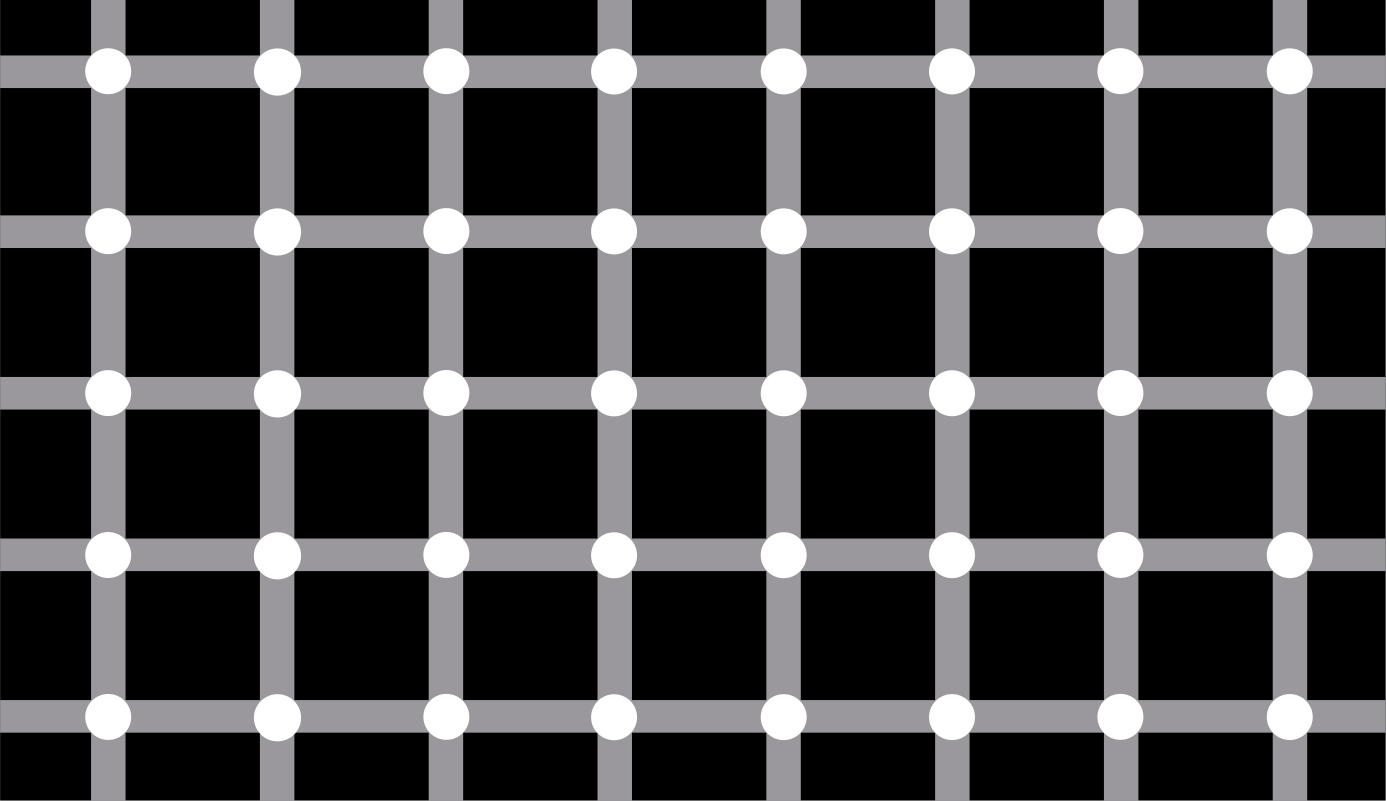
Black dots flicker across a grid of white dots.