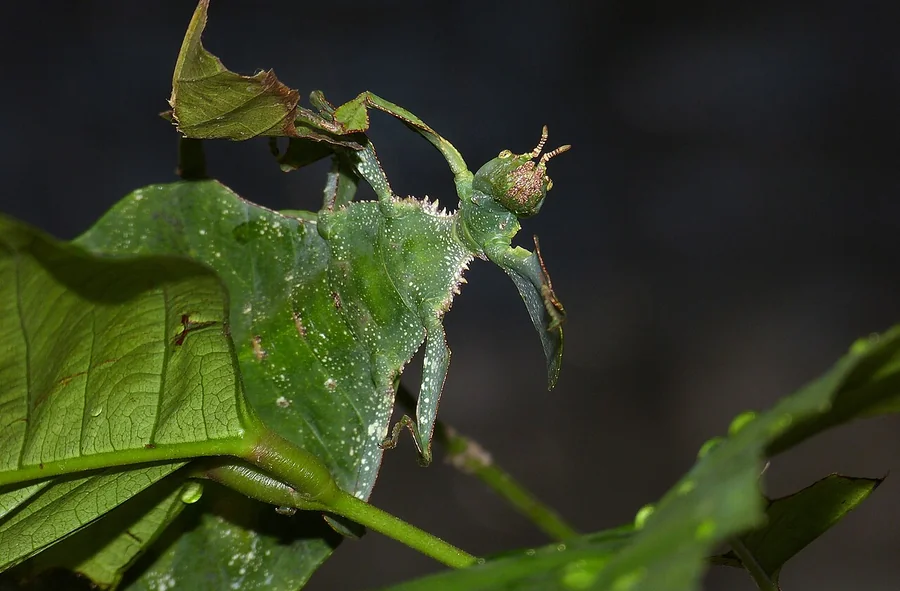
Leaf Insect — A Leaf with Legs
Leaf insects · family Phylliidae
A flattened body and leaf-like legs make an insect resemble part of a plant.
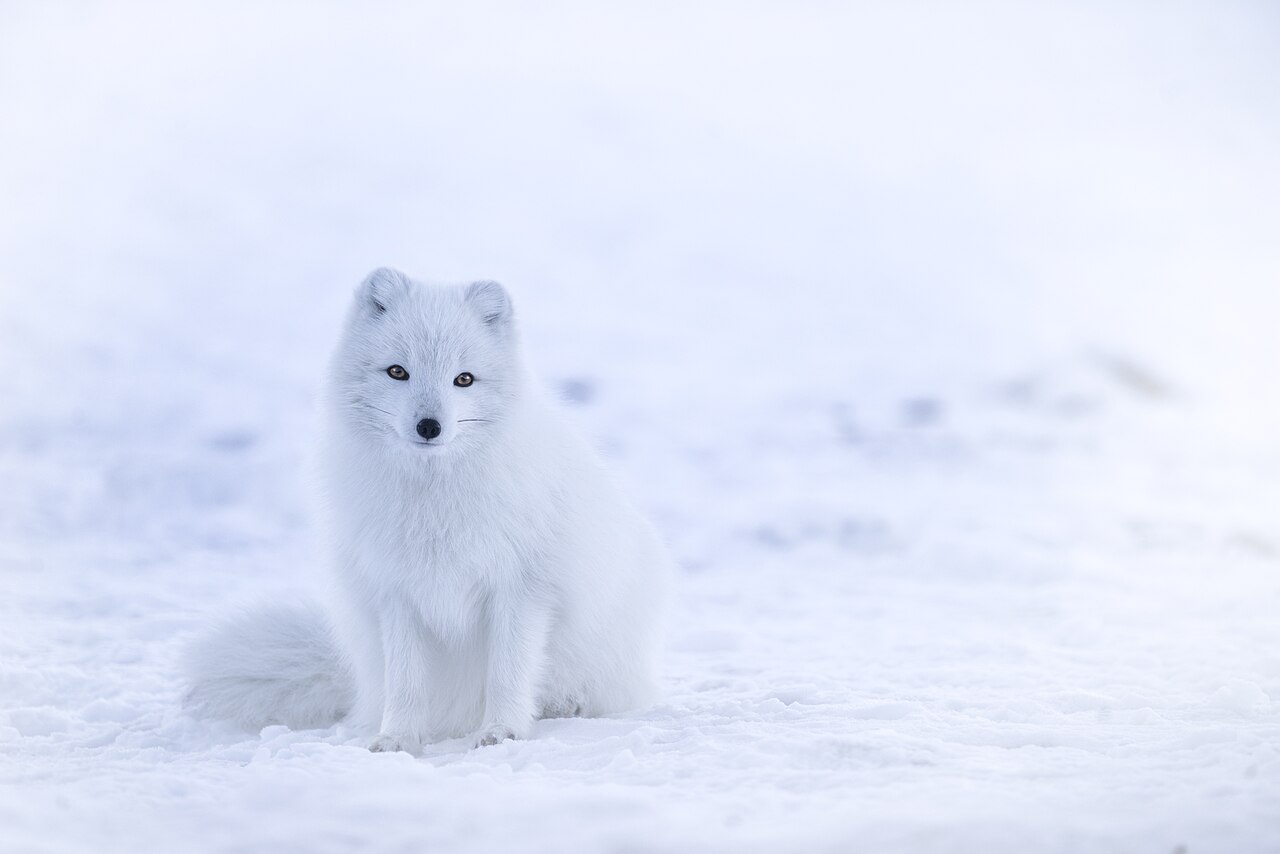
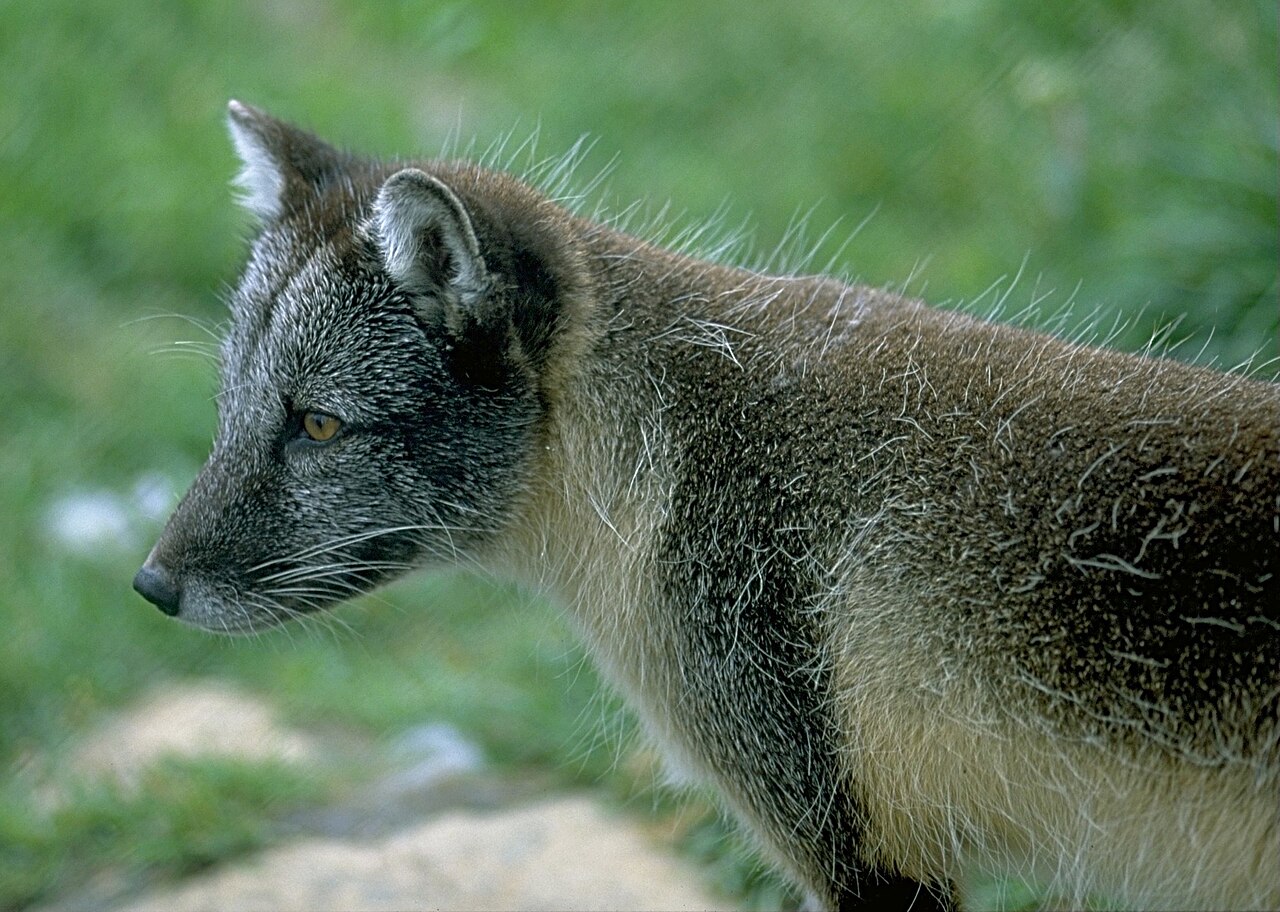
A winter coat makes a white fox difficult to separate from snow.
Compare the white body with the snow, then notice the dark eyes and nose. Open the summer photograph to see how much the coat can change.
Jonatan Pie (unsplash.com/@r3dmax)
Original file & attribution · CC0
This locally stored image is a Wikimedia Commons rendition (resized or rendered from the source file). The full original is linked from the source record. Gallery previews may be resized or converted to WebP; animated previews show the first frame.
Download imageA winter coat makes a white fox difficult to separate from snow.
Compare the white body with the snow, then notice the dark eyes and nose. Open the summer photograph to see how much the coat can change.
Replacing the coat changes the fox’s contrast against seasonal surroundings. White fur can merge with snow; darker summer fur suits exposed ground. This happens through moulting over time, rather than an instant response to whatever is behind the animal.
A flattened body and leaf-like legs make an insect resemble part of a plant.
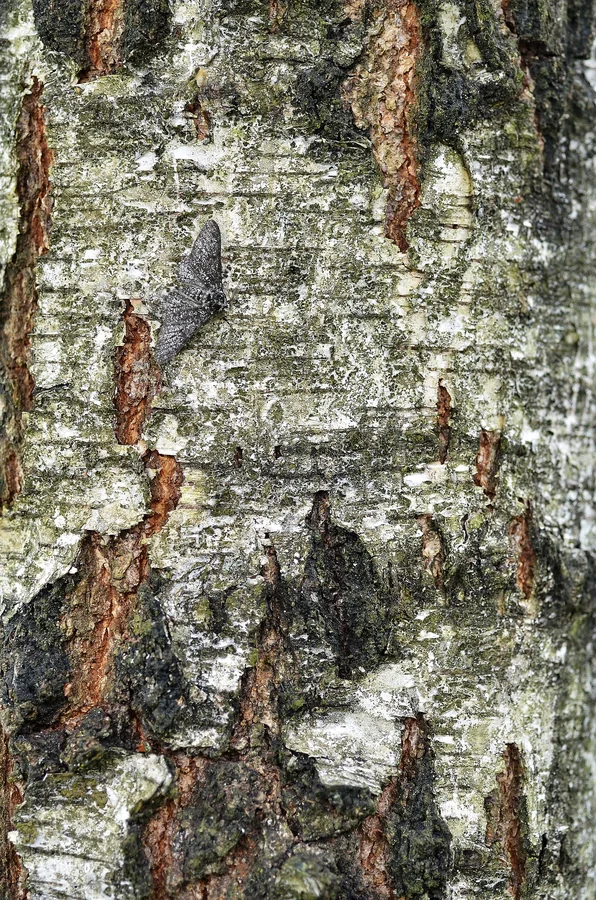
Speckled wings repeat the tones and texture of tree bark.
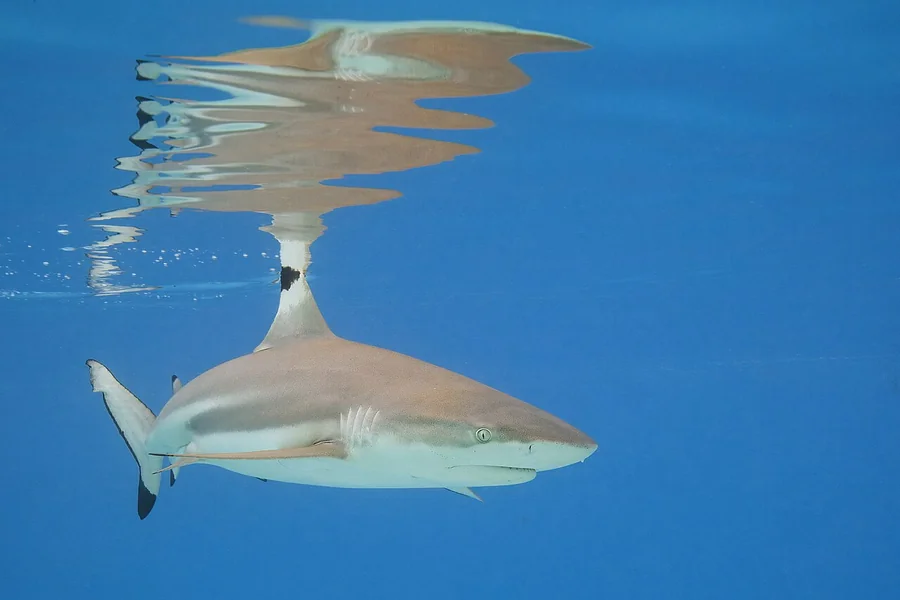
The same shark presents a dark back from above and a pale belly from below.