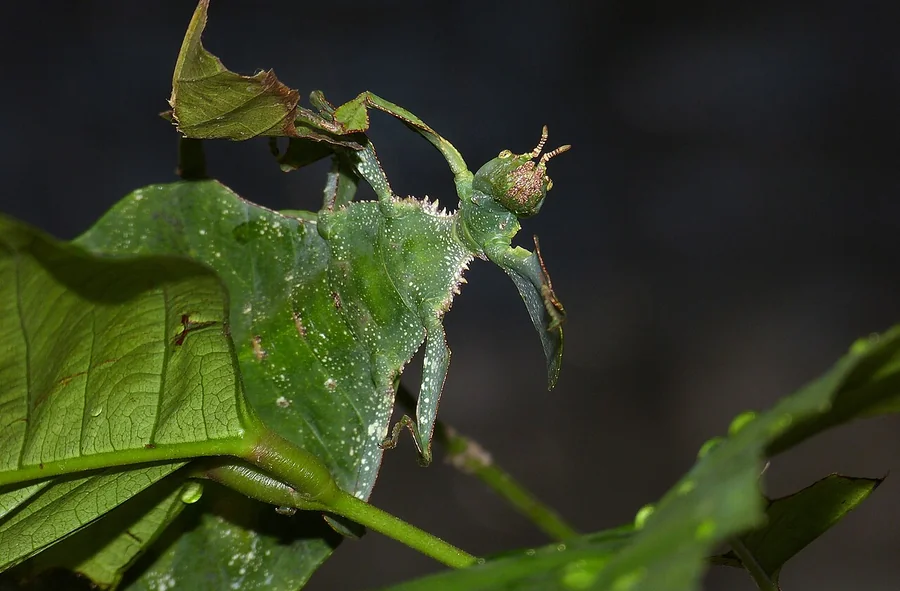
Leaf Insect — A Leaf with Legs
Leaf insects · family Phylliidae
A flattened body and leaf-like legs make an insect resemble part of a plant.
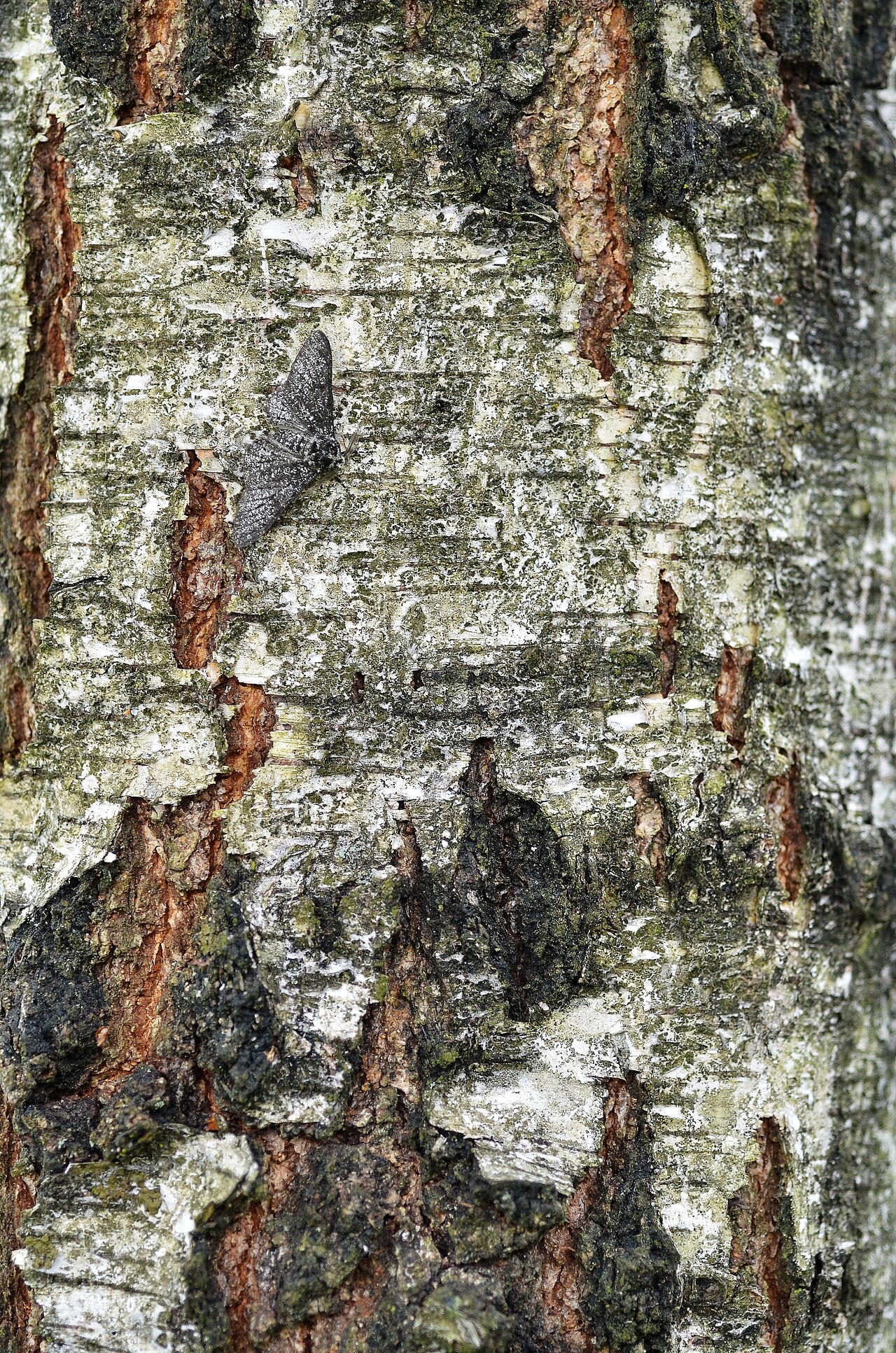
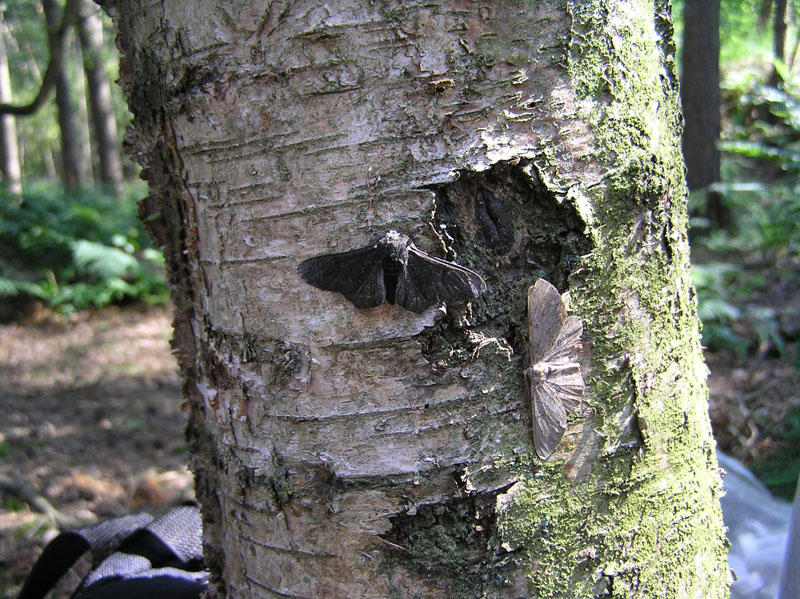
Speckled wings repeat the tones and texture of tree bark.
Find the moth near the upper part of the trunk. Follow the wing edges, then step back and see how the speckles merge with the bark.
Gilles San Martin
Original file & attribution · CC BY-SA 3.0
This locally stored image is a Wikimedia Commons rendition (resized or rendered from the source file). The full original is linked from the source record. Gallery previews may be resized or converted to WebP; animated previews show the first frame.
Download imageSpeckled wings repeat the tones and texture of tree bark.
Find the moth near the upper part of the trunk. Follow the wing edges, then step back and see how the speckles merge with the bark.
Pale and dark forms suit different backgrounds. The pale form blends better with lichen-covered bark; dark forms can match darker bark. Camouflage depends on the surroundings and the observer’s vision. An adult moth does not switch its wing colour to match each tree.
A flattened body and leaf-like legs make an insect resemble part of a plant.
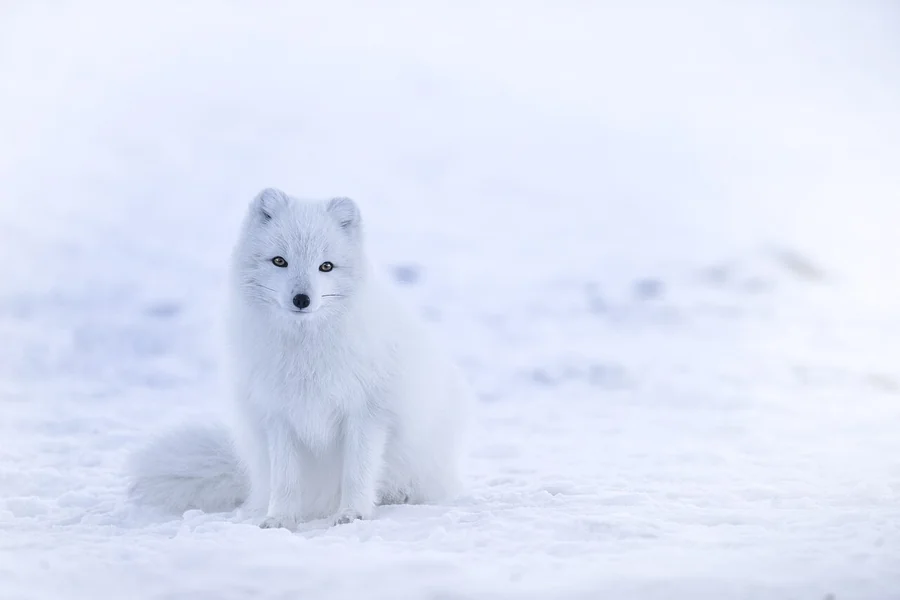
A winter coat makes a white fox difficult to separate from snow.
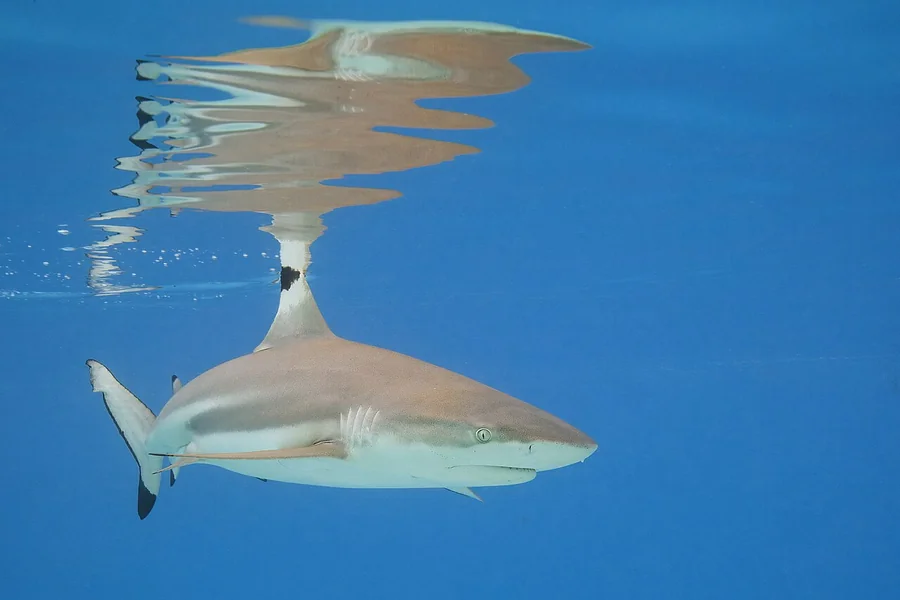
The same shark presents a dark back from above and a pale belly from below.