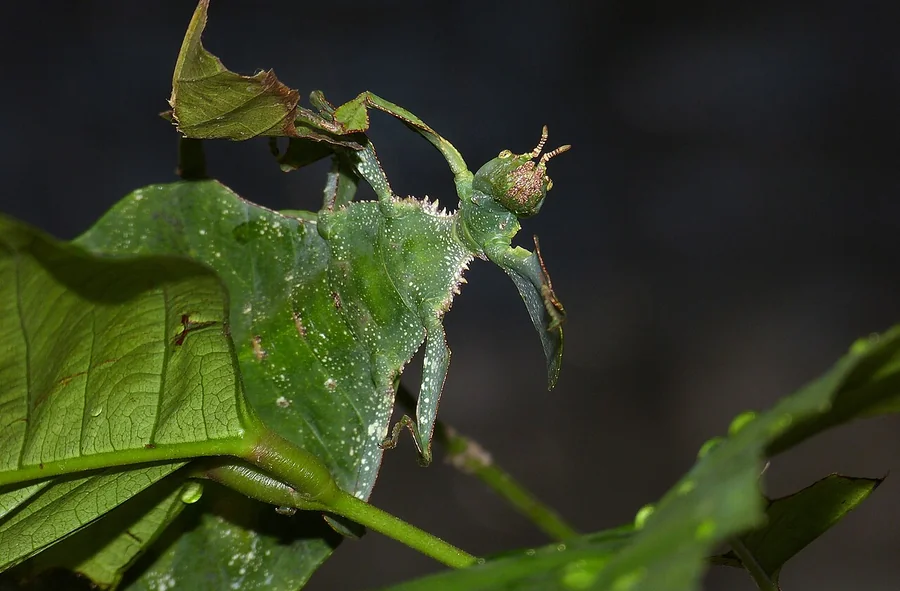
Leaf Insect — A Leaf with Legs
Leaf insects · family Phylliidae
A flattened body and leaf-like legs make an insect resemble part of a plant.
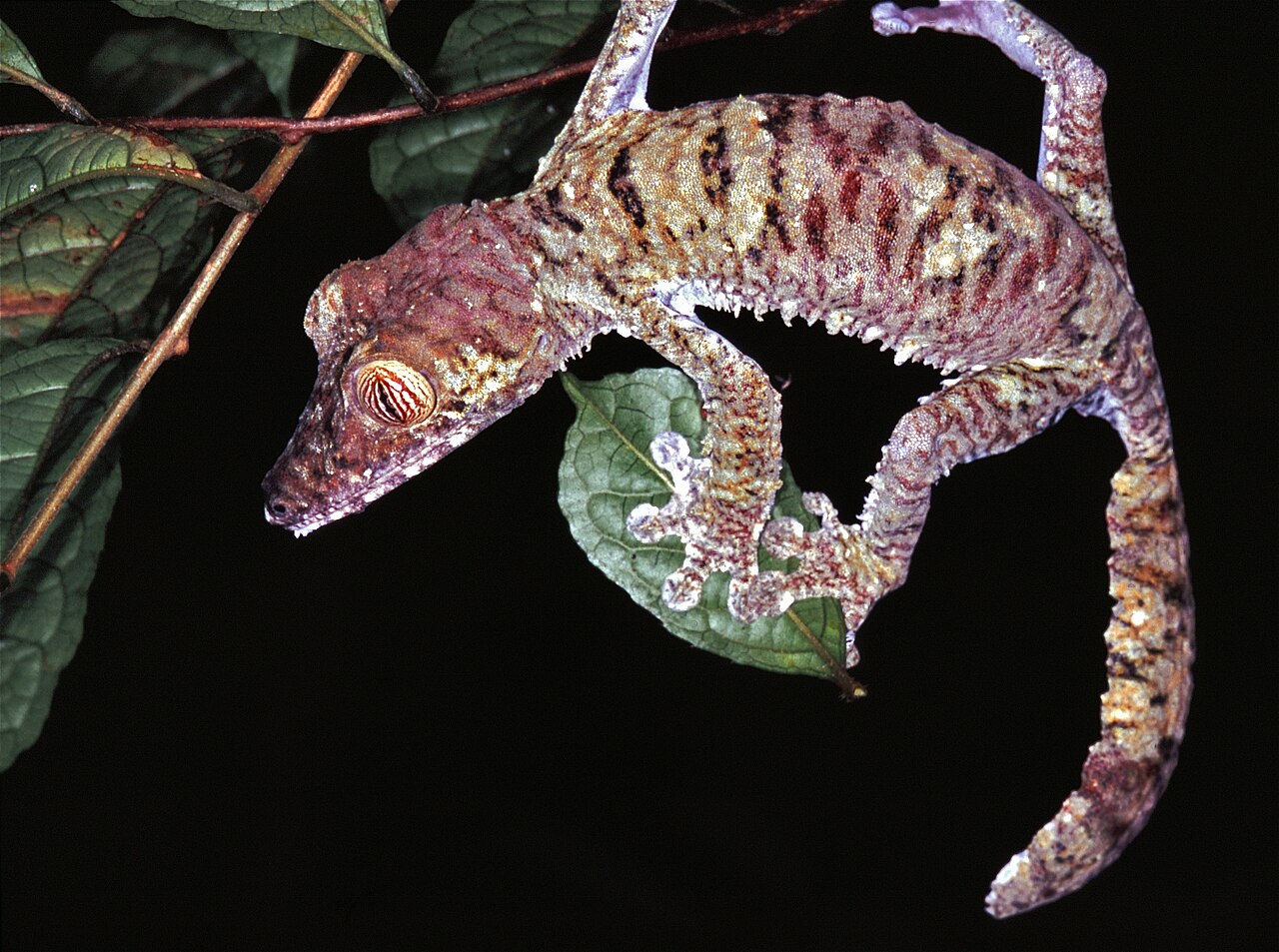
Mottled skin and a fringe around the body help a gecko merge with its resting surface.
Look along the lower jaw and belly for the fringed edge. Notice how different that edge is from the clear outlines of the toes and eyes.
Bernard DUPONT from FRANCE
Original file & attribution · CC BY-SA 2.0
This locally stored image is a Wikimedia Commons rendition (resized or rendered from the source file). The full original is linked from the source record. Gallery previews may be resized or converted to WebP; animated previews show the first frame.
Download imageMottled skin and a fringe around the body help a gecko merge with its resting surface.
Look along the lower jaw and belly for the fringed edge. Notice how different that edge is from the clear outlines of the toes and eyes.
Colour matching alone would leave a recognisable silhouette. Fringed skin along the jaw and body can flatten against a surface and soften the boundary between animal and background. The broad tail adds a leaf-like shape. Several features work together to hide the outline.
A flattened body and leaf-like legs make an insect resemble part of a plant.
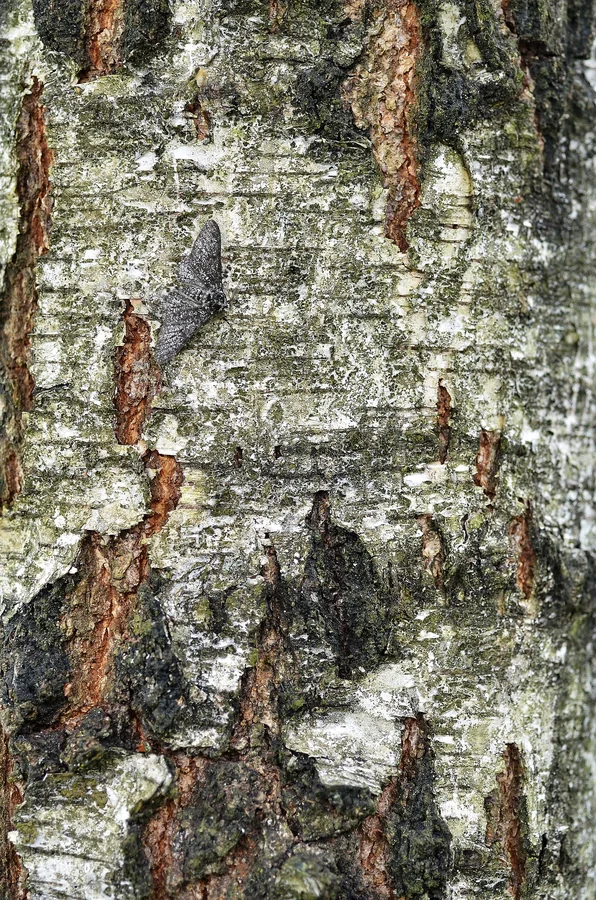
Speckled wings repeat the tones and texture of tree bark.

A winter coat makes a white fox difficult to separate from snow.